

Blog
Rush Blasters Rig Components Guide

Black Team Tips
Build your Rush rig around the way you sail.
Masts, booms, harness lines and extensions. Choose the components that give you the feeling you want.
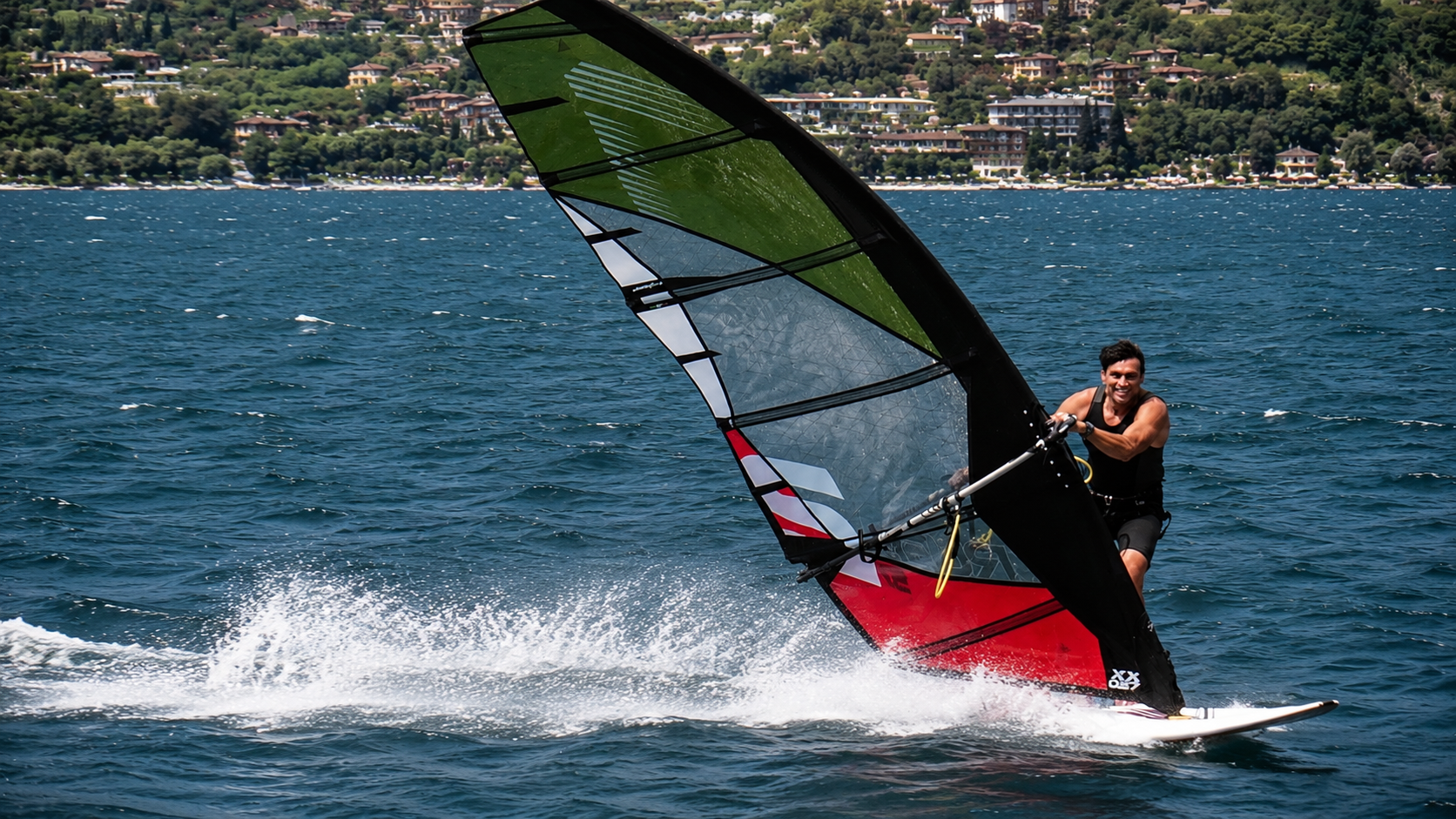
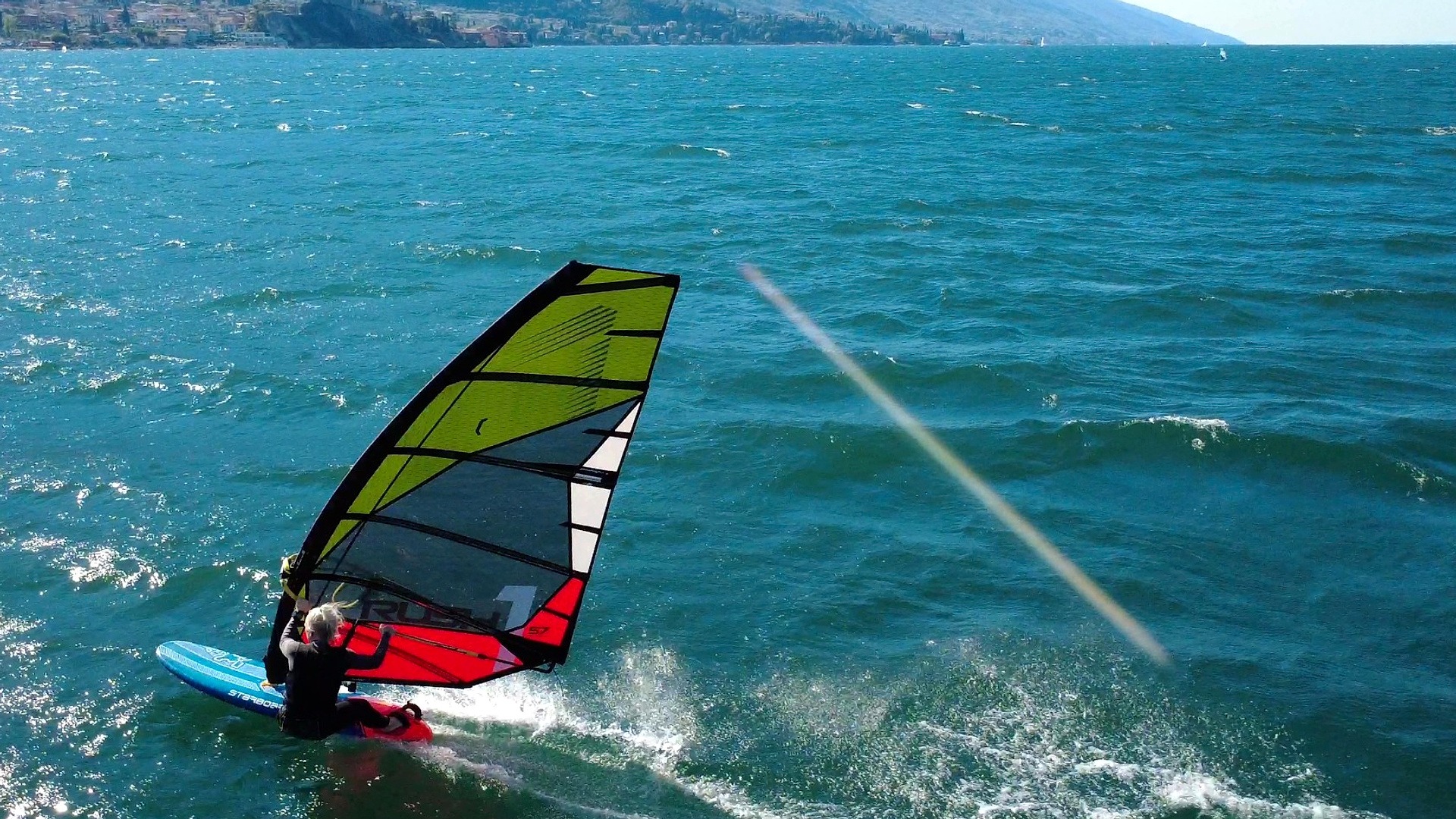
You choose a Rush Blaster because you want to get planing easily, enjoy good speed and finish your session with energy left for another run. Your rig components should support that feeling.
Spending less within the Point-7 range can give you a more forgiving response while retaining the build quality you expect. The question is how much reflex, stiffness and directness you need for the way you sail.
Choose the response that suits your sailing
In racing, every burst of acceleration matters. You pump onto the plane, push out of a jibe and fight for the smallest advantage over the rider next to you. A highly reactive rig rewards that active approach.
For relaxed blasting, a smoother response can be exactly what you want. The rig feels less demanding, and you can concentrate on enjoying the speed. Both the Rush-1 and Rush-2 are designed around accessible performance, so you can build a setup that suits your budget and the conditions you enjoy.
01 / The mast
Carbon percentage changes the feel
A carbon percentage is not a quality score. Our K71 RDM and K77 SDM masts are made in Italy, with the same commitment to materials and manufacturing standards as the rest of our mast range.
Moving up the range brings faster reflex: the mast recovers more quickly after flexing. On the water, this can make the sail feel lighter and more responsive, especially when accelerating or pumping.
There is also a difference in physical weight, typically a few hundred grams depending on the models and length. For a comfortable freeride setup, that number does not need to decide the whole purchase. The response and balance of the complete rig matter too.
The K71 and K77 offer a more forgiving feel that works well for blasting. We have even used lower-carbon masts in PWA racing when difficult conditions made that softer response an advantage.
Our recommendation: choose a K71 RDM or K77 SDM where it matches the mast type and length specified for your exact Rush model and size. Move up the carbon range if you want a sharper response and more acceleration.
02 / The boom
Spend for the feeling in your hands
With booms, the biggest difference between aluminium and carbon is how directly the rig responds in your hands. Weight plays a part, but it is only one part of the decision. A C80 boom can be close in weight to an aluminium boom, depending on the size, while still giving a different feel.
A stiffer boom helps the rig hold its shape under load and transfers your input more directly. You notice this particularly when you pump to get planing or sail well powered.
If you prefer to let the wind bring you onto the plane and enjoy sailing comfortably powered, an ALU+ PRO boom is a sensible match. The Rush series is fun in lighter wind, so you do not need to choose a carbon boom simply because the sail can go fast.
If you pump actively, like to load up the sail or regularly sail towards the upper end of its wind range, we recommend stepping up to at least the C80. A full carbon boom takes that direct response further.
Our recommendation: ALU+ PRO for relaxed blasting in light to moderate wind. C80 or full carbon for active pumping and more demanding, powered-up sessions.
03 / Harness lines
Fixed for simplicity or Vario for adjustment
Fixed lines make sense if you want to find a comfortable position and leave it there. Choose the length that suits your stance and enjoy the session.
Vario lines give you the option to adjust as the conditions change. As a practical starting point, use them longer when well powered for more room to move away from the rig, and slightly shorter in lighter wind when you prefer a closer, more upright stance.
For the relaxed sailing position we recommend with the Rush series, these lengths are useful starting points:
| Rider | Starting length |
|---|---|
| Taller and heavier, roughly above 180 cm and 80 kg | 28-30 inches |
| Smaller and lighter, roughly below those figures | 26-28 inches |
Height and weight are only a guide. Boom height, harness type, arm length and personal stance also affect the right length. If you fall between the groups, choose by comfort on the water rather than the numbers alone.
Our recommendation: fixed lines for a simple, consistent setup. Vario if you enjoy adjusting your stance as the wind changes.
04 / The extension
Choose around how you like to downhaul
The Rush sails are designed to rig with relatively low downhaul effort. For downhauling by hand, the ALU+ Double XXL Pulley extension is a practical choice.
If you prefer using a winch, the ALU+ Double Cleat extension offers a more convenient way to guide and secure the rope. Check that your chosen winch is compatible with the extension.
In either case, choose the correct RDM or SDM diameter and enough extension range for your sail. Low rigging effort still means setting the correct downhaul, following the sail's rigging guidance.
Our recommendation: Double XXL Pulley for manual downhauling. Double Cleat if you prefer a winch.
Your Rush setup at a glance
| Component | Recommended starting point | When to choose another option |
|---|---|---|
| Mast | K71 RDM or K77 SDM, where specified | Higher carbon for faster reflex |
| Boom | ALU+ PRO for relaxed blasting | C80 or full carbon for pumping or powered sailing |
| Harness lines | Fixed for a consistent position | Vario for adjustment as conditions change |
| Extension | Double XXL Pulley for manual downhaul | Double Cleat if using a compatible winch |
Always match the mast and extension to the exact sail model and size.
Build the rig you want to sail
Start with compatible components, then spend where you will feel the benefit. A comfortable Rush setup should match your sailing style and budget, with room to upgrade if you begin pumping more actively or sailing in more demanding conditions.